What makes you who you are?

Tags

, , , , , , , , ,

Ampulex compressa, commonly called Emerald Cockroach Wasp. Pictured in Dar es salaam, Tanzania. (Photo credit: Wikipedia)“I’m sorry about what happened yesterday. I…I wasn’t myself.” Those words, or something like them, have been offered countless times as an explanation for (mis)behaviour, but what do they actually mean? People seem to have a sense of an intrinsic self, a personality they identify with, and many people are concerned about how outside factors might (like birth control pills) influence this personality or change the way they behave. In this post, I’d like to explore how we construct and define our sense of self, but rather than writing an essay on the subject, I’m hoping to start a discussion about it. Continue reading

These feet were made for walking

Tags

, , , , , , , , , , ,

While popular imagination may be fascinated by when our ancestors first began to walk upright, scientific debate has focused on whether these early humans were still skilled climbers. A group of researchers in New Hampshire addressed the issue in a paper recently published in PNAS, gleaning new data from modern humans who climb regularly.

Continue reading

7,000 years of cheese!

Tags

, , , , , , , , , , , ,

Limburger cheeseCheese may be a gourmet’s delight and a major industry these days, but it was probably originally just a good way to keep milk from spoiling and to deal with lactose intolerance.  In a paper published in Nature last month, a team of scientists from the UK, US and Poland used evidence from pottery remains to show that this venerable art stretches back at least 7,000 years.

Continue reading

Sex and sociality: the genetics of being different

Tags

, , , , , , , , , , ,

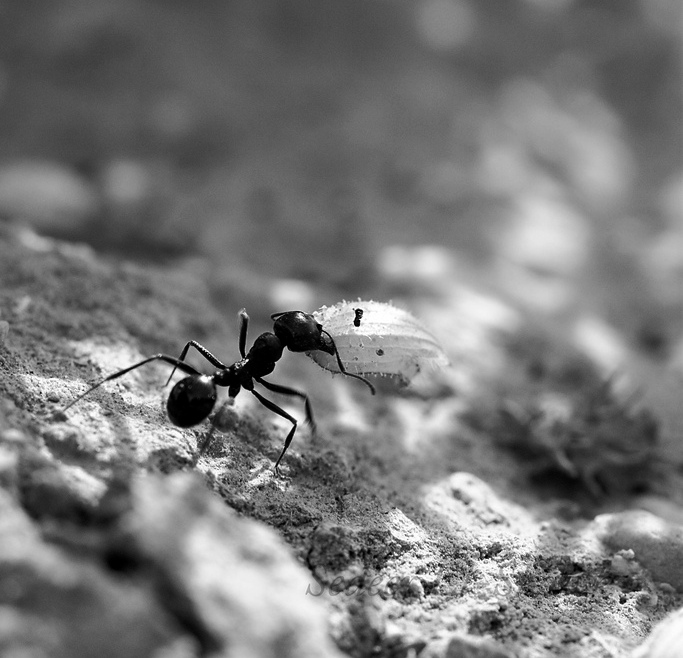
Solenopsis invicta (Photo credit: AJC1)An international team of researchers studying fire ants have discovered the first “social chromosome”.  While this is obviously exciting to those of us who are fascinated by the advanced social organization of ants, the discovery also has broader implications.  The mechanism the researchers uncovered is similar to how sex is determined in many animals, creating the tantalizing possibility that it might be an example of a more general mechanism for evolving distinctly different complex behaviours. Continue reading

Found while foraging (January 28, 2013)

Tags

, , , , , , , , , , , , , , ,

January has been a busy month.  In addition to writing here, I worked on some websites for my family and submitted entries to a couple of science writing competitions for the first time!  I’ve also optimistically nominated Inspiring Science for the annual “Bloggies” awards; if you think it deserves a chance, why not head on over and add your voice? I’ve really enjoyed working on this blog for the past year and I’m looking forward to writing being an even bigger part of my life in 2013!  Anyway, here’s another batch of tidbits I found during my wanderings.  As always, feel free to add more links in the comments.
Continue reading

One year on!

Tags

, , , , , , , ,

Today officially marks the first anniversary of Inspiring Science, and it’s been a great year!  I think I managed to make some progress towards the goals I outlined in my first post.  Over the course of the past year, I’ve learned how to make my writing more accessible and become better at engaging with non-scientists, though unfortunately I haven’t managed to write as frequently as I would have liked.  I hope I can rectify that and continue to improve those skills, but I’m also going to try to do a better job of fostering discussion over the next 12 months.  I have a few ideas about how to do that; we’ll see how well they pan out.  (If you have a suggestion, let me know!)

If you’re one of the newer readers, why not take a romp through the archives?  There’s some good stuff buried on there that doesn’t often make it  onto the “What’s popular now?” list in the sidebar.  I’ve also picked five posts from the past year which I wish had received more attention and listed them below; I hope you’ll enjoy them.

With that said, I look forward to another year of writing about science; thanks for reading, commenting and generally keeping me company on this adventure!  If you have any suggestions about what I could do differently or better (or what I’m doing well) please leave a comment so I can learn and improve. 🙂