How we lie to ourselves: cognitive dissonance

Tags

, , , , , ,

In December 1954, a doomsday cult was awaiting the arrival of a UFO which would rescue the faithful.  Leon Festinger, a social psychologist, had infiltrated the cult to see how they would respond when the UFO failed to appear and the world didn’t end.  Remarkably, the cult emerged from their failed prediction with renewed strength, convinced that they had “spread so much light that God had saved the world from destruction.”. Cognitive dissonance is a phrase coined by Festinger in 1956 to explain this sort of response.  It refers to the discomfort we feel when trying to simultaneously hold two contradictory ideas in our mind; we reflexively try to resolve this discomfort, often pre-consciously.  It’s a striking and elegant idea which can explain aspects of a wide range of seemingly strange human behaviours, from doomsday cults and initiation ceremonies to post-purchase rationalizations.

Continue reading

On the brink of extinction

Tags

, , , , ,

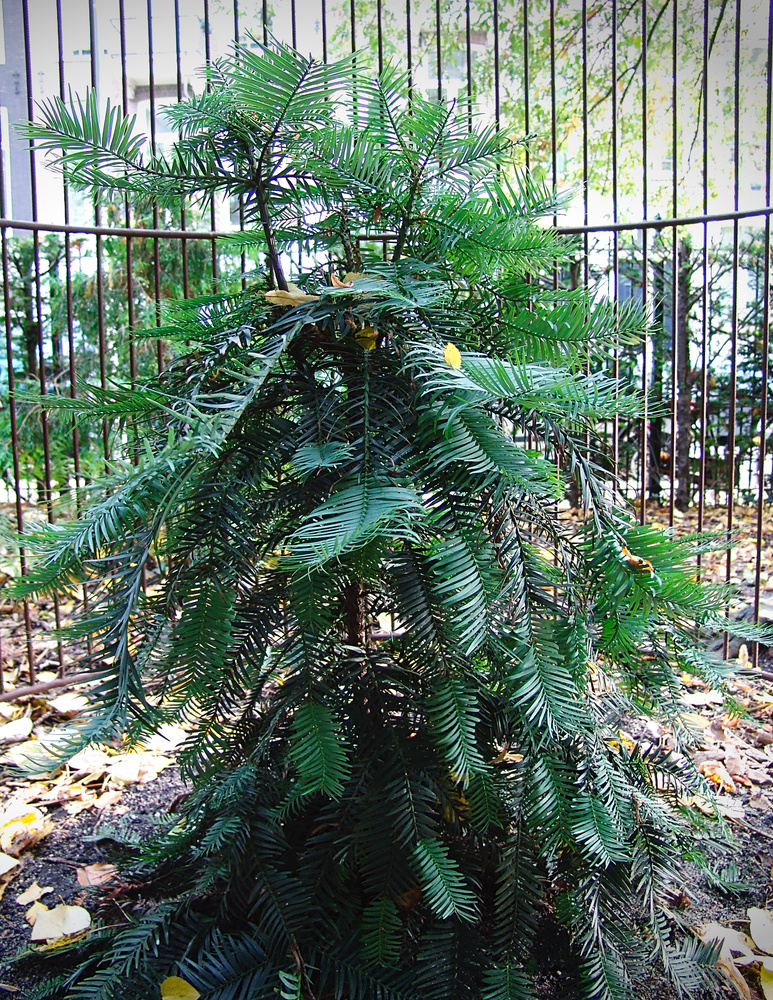
In 1994, David Noble was trekking through Wollemi National Park in the Blue Mountains, about 200km northwest of Sydney, Australia, when he came across a copse of unusual looking trees.  Unable to identify them, he took specimens back with him for further study.  Botanists were shocked to realize that the trees which Noble had found belonWollemia nobilisged to a lineage which they believed had been extinct for millions of years.  Designated Wollemia nobilis (in honour of the place and person of discovery), this “living fossil” made international headlines and has been dubbed the botanical find of the century.  Since then, two other groves of W. nobilis have been discovered near the original, but the  extremely low number of specimens found in the wild make the Wollemi pine one of the most endangered tree species on the planet.

Continue reading

Hello, world!

Tags

,

It’s taken a while, but I’m finally starting a science blog!  I’ve been talking about it for some time and thinking about it for even longer; now I’ve actually done it.  Hesitation, more than procrastination, has kept me from taking this step before — launching a blog represents a commitment, not only to write, but (hopefully!) to interact with readers and other bloggers and become part of a community, all of which takes time and effort.  I finally realized that there would never be enough time; I would simply have to leap into it and make the time.  So here I am!  Although writing about science is a reward in itself (since it combines two of my passions), I hope this blog will grow beyond that to also include lively conversations with (and questions from) readers.

Read more about why I decided to start a science blog